
|
Getting your Trinity Audio player ready...
|
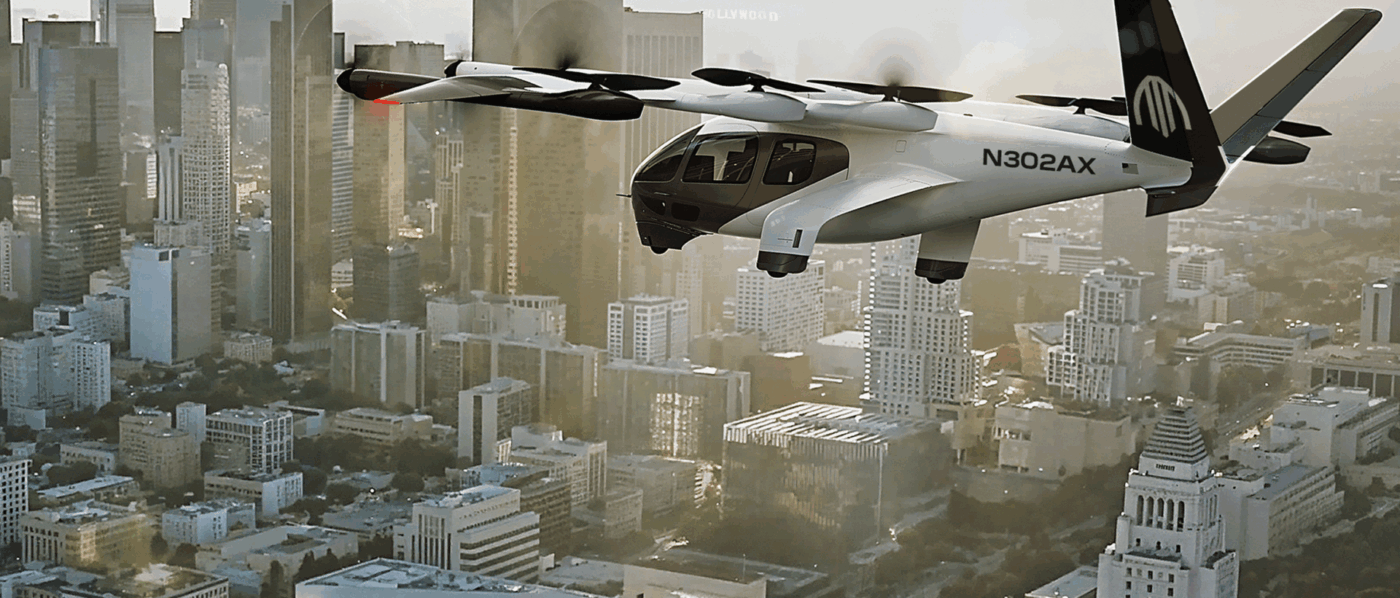
Flying cars have long been a futuristic dream, and eVTOL aircraft are closer than ever to making it an everyday reality. After pandemic delays, 2026 may be the year these aircraft finally take flight in cities. The challenge is no longer about the technology, but figuring out how the industry will grow from here.
Companies like Joby Aviation, Archer Aviation, Beta Technologies and Eve are well on their way to obtaining the required certifications, with experts pointing to deadlines around Q3 or Q4 of 2026. As companies start to wrap up FAA testing and regulatory requirements, the attention is now on how the market comes together and which strategies will hold up.
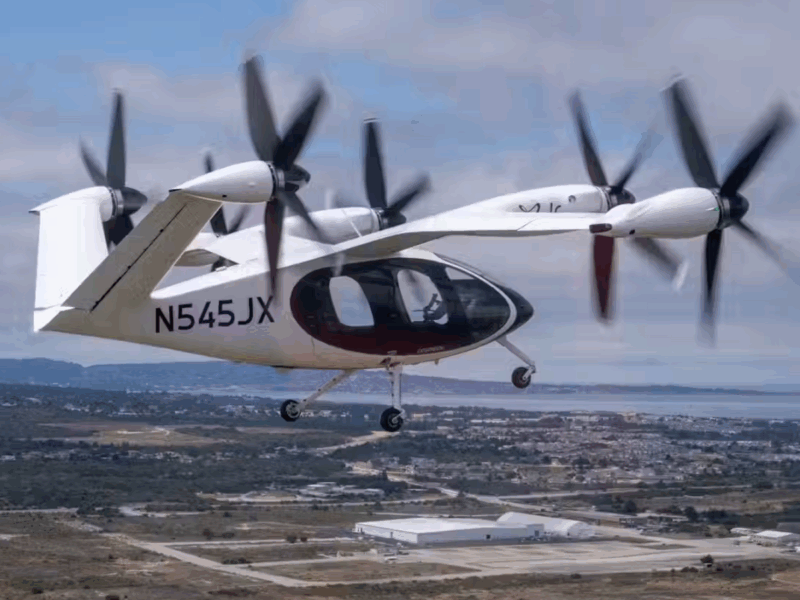
An image of a Joby Aviation aircraft mid-flight
© Joby Aviation, Inc.
Initial Climb
Getting certified is only one step in a much longer process. How operators choose to launch, where they deploy first, and how they fund early operations will likely matter more than minor differences in aircraft design.
While they’re all going after the same market, each company is taking a different angle.
Joby is placing its bets on urban markets, using its acquisition of Blade’s passenger segment to establish an early presence in cities like New York. Archer on the other hand is leaning on defence contracts and strategic partnerships to bring in revenue while its commercial operations are still in the works.
Beta and Eve are aiming at both commercial and corporate customers, preparing to enter several markets once approval comes through. These early moves will tell us what works and what doesn’t in this unprecedented market.
Headwinds to Come
Production targets are aiming for 500 to 700 aircraft by the end of 2027, which means demand for trained pilots is only going to grow. Training isn’t cheap or quick either. Programs typically take around three months and cost 30,000 USD per pilot, but they can stretch to 15 months and 100,000 USD depending on experience and aircraft type.
Launching into a brand new market like this isn’t without its challenges. Retaining pilots will be a constant concern, especially given ongoing shortages across the broader commercial aviation sector.
Getting enough pilots on board will be one of the biggest challenges for the industry. The pool of powered-lift pilots is small and mostly comes from military experience with aircraft like the B-22, F-35, and AV-8B Harrier, which could limit how quickly operators get their fleets in the air.
Ground Constraints
Infrastructure and aircraft limitations are the next challenge. Aircraft will need batteries, charging stations, and maintenance facilities to operate reliably. Battery technology is improving slowly, around six percent a year, and cities have limited space for new vertiports. Size and weight restrictions on the aircraft also limit range and capacity, requiring careful planning of schedules, routes, and charging.
Bringing in revenue in the early years will be a major test for the industry. Most operators aren’t expected to see meaningful returns from deliveries before 2027 or 2028, so finding ways to generate income before fleets are fully in service will matter. Joby’s acquisition of Blade gives it early positioning in the passenger market, but partnerships with airlines, corporations, and international operators will likely shape how companies support operations and grow the market.
The Test Flight
Investors are closely watching how the industry progresses. Deadlines are tight, and delays from supply chains, politics, or other factors could determine which companies get off the ground first. Regulators are more experienced and demanding than before, and success will depend on careful execution, consistency, and safety.
Expectations are high, but this is just the beginning.
The next year will be a period of trial and error. Operators will need to manage pilots, infrastructure, and initial rollout while proving their plans work in practice. How they handle these challenges will show which companies are ready to make eVTOLs part of daily life in cities.
