-
![Profile picture of Saurabh Mall]()
Saurabh Mall posted in the group The Sky Community
A phased rollout will be critical for successful eVTOL integration.
Typical phases include:
• Pilot projects and demonstrations
• Limited commercial routes
• Infrastructure expansion
• Wider city and regional coverageThis approach allows regulators, operators, and cities to align on safety and performance at each stage.
-
eVTOL adoption won’t be overnight.
It will happen in phases — pilots, limited routes, controlled operations, then scale.
This gradual approach isn’t a weakness.
It’s how safety, trust, and infrastructure mature together. -
![Profile picture of Sunny Rathaur]()
Sunny Rathaur wrote a new post
![]() Read More
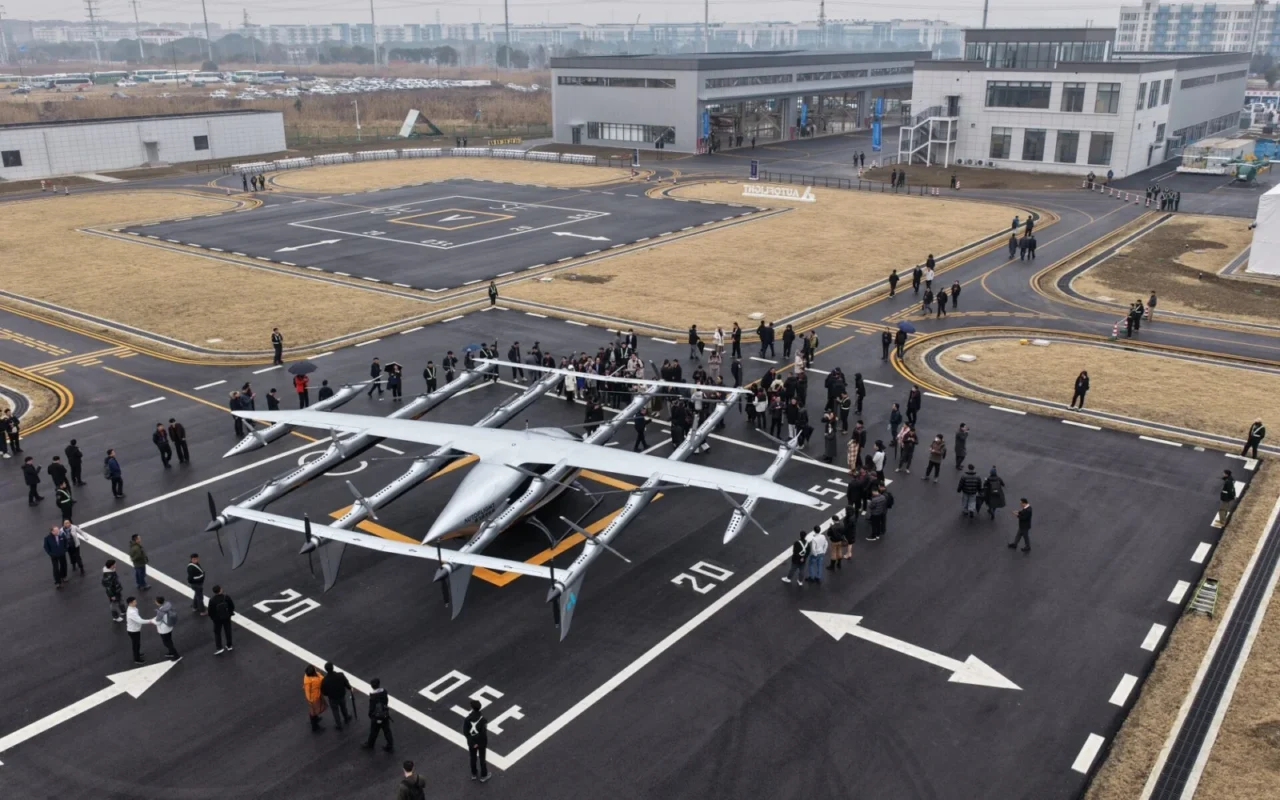
Read MoreChinese electric vehicle takeoff and landing (eVTOL) aircraft developer AutoFlight has unveiled ‘Matrix’, a five-ton air taxi that the company claims as a world first. On February 5, 2026, details regarding AutoFlight’s latest eVTOL innovation emerged after the developer successfully...
-
![Profile picture of Saurabh Mall]()
Saurabh Mall posted in the group The Sky Community
Early eVTOL adoption will focus on journeys where time sensitivity is high.
Strong use cases include:
• Airport-to-city connectivity
• Emergency medical transport
• Critical business travel
• Short intercity hopsFocusing on time-critical routes helps demonstrate real-world value before wider deployment.
-
Not every trip needs an eVTOL.
But for time-critical travel, they can make a real difference.
Airport transfers, medical movement, urgent business travel — these are scenarios where saving 30–60 minutes actually matters.
That’s where eVTOL value becomes immediately clear.
- Load More Posts