-
![Profile picture of Saurabh Mall]()
Saurabh Mall posted in the group The Sky Community
Regulatory frameworks will be a major factor in the commercial rollout of eVTOLs.
Key areas under development include:
• Aircraft certification standards
• Pilot licensing and training models
• Airspace integration with existing traffic
• Safety and compliance oversightClear and adaptive regulations will help ensure safe and scalabl…Read More
-
eVTOL technology is moving fast.
Regulations, however, move with caution — and rightly so.
Certification standards, pilot requirements, airspace rules, and safety oversight will decide how quickly eVTOLs move from trials to daily operations.
Progress will depend on collaboration, not shortcuts.
-
![Profile picture of Sunny Rathaur]()
Sunny Rathaur wrote a new post
![]() Read More
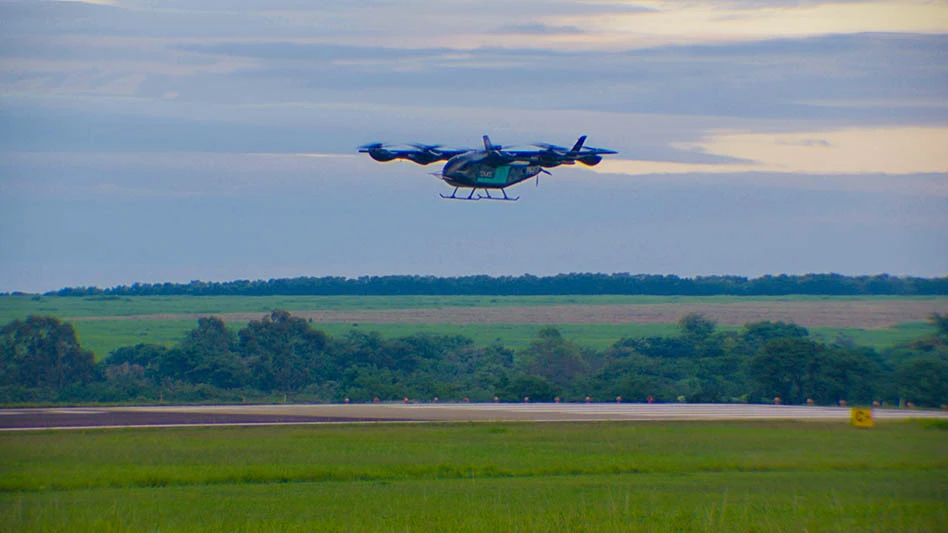
Read MoreEve Air Mobility, a company developing a suite of solutions for the Urban Air Mobility (UAM) market, including an electric vertical take-off and landing (eVTOL) aircraft, completed the first flight of its uncrewed full-scale eVTOL prototype at Embraer’s test...
-
![Profile picture of Saurabh Mall]()
Saurabh Mall posted in the group The Sky Community
For eVTOLs to scale, technical readiness alone is not enough.
Public acceptance will be influenced by:
• Safety records and transparency
• Noise and environmental impact
• Clear operational guidelines
• Gradual, visible deploymentAddressing public concerns early will be critical for long-term success of eVTOL operations.
-
Technology can be proven in labs and test flights.
But real adoption of eVTOLs will depend on public confidence.
Noise levels, safety perception, reliability, and everyday visibility will shape how people respond to this new form of mobility.
Building trust may take longer than building the aircraft.
- Load More Posts