-
![Profile picture of Saurabh Mall]()
Saurabh Mall posted in the group The Sky Community
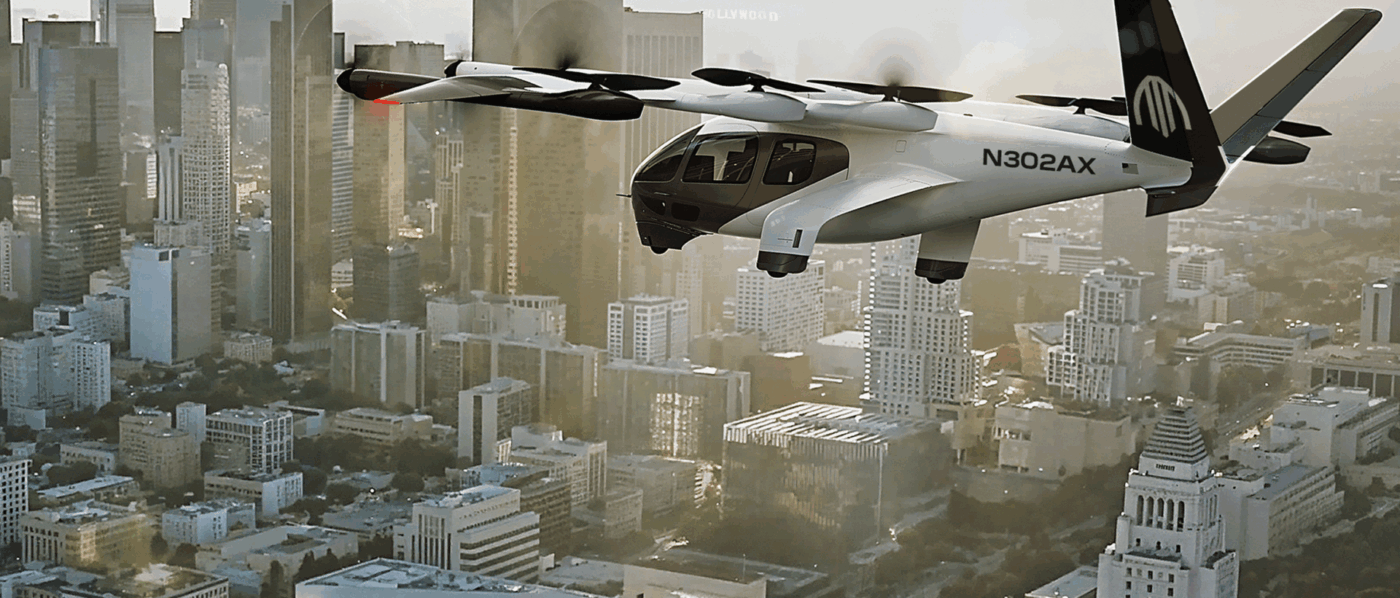
For eVTOLs to scale in cities, public confidence is essential.
Key factors influencing acceptance:
• Demonstrated safety standards
• Transparent regulatory approvals
• Noise reduction performance
• Clear communication from operatorsSuccessful urban air mobility ecosystems will prioritize trust alongside technology.
-
Technology alone won’t make eVTOLs successful.
Public trust will.
People must feel confident about safety, reliability, and noise levels before urban air mobility becomes mainstream.
Adoption is not just an engineering challenge — it’s a perception challenge too.
-
![Profile picture of Sunny Rathaur]()
Sunny Rathaur wrote a new post
![]() Read More
Read MoreFlying cars have long been a futuristic dream, and eVTOL aircraft are closer than ever to making it an everyday reality. After pandemic delays, 2026 may be the year these aircraft finally take flight in cities. The challenge is...
-
![Profile picture of Sunny Rathaur]()
Sunny Rathaur wrote a new post
![]() Read More
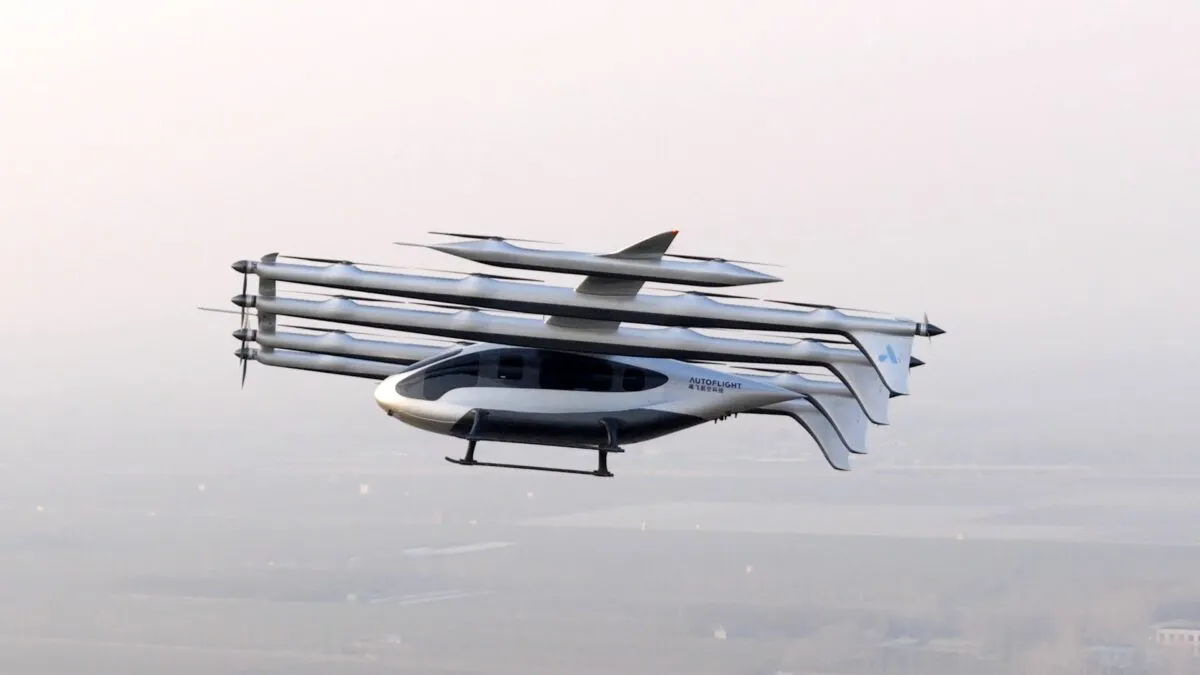
Read MoreAutoFlight’s Matrix eVTOL completes first full transition flight in 5-ton class, featuring 5,700kg maximum take-off weight. Available in passenger and cargo variants with 250km electric range or 1,500km hybrid range, using distributed propulsion with 20 lift motors. AutoFlight has completed...
-
![Profile picture of Saurabh Mall]()
Saurabh Mall posted in the group The Sky Community
A phased rollout will be critical for successful eVTOL integration.
Typical phases include:
• Pilot projects and demonstrations
• Limited commercial routes
• Infrastructure expansion
• Wider city and regional coverageThis approach allows regulators, operators, and cities to align on safety and performance at each stage.
- Load More Posts