-
![Profile picture of Saurabh Mall]()
Saurabh Mall posted in the group The Sky Community
Noise reduction is an important factor in urban air mobility adoption.
Key considerations include:
• Lower acoustic footprint compared to helicopters
• Urban noise regulation compliance
• Impact on residential and commercial zones
• Public perception and acceptanceManaging noise levels will support smoother integration of eVTOL operati…Read More
-
One of the biggest advantages of eVTOLs over traditional helicopters is reduced noise.
Lower noise levels make them more suitable for urban environments where disturbance is a major concern.
Quiet operations won’t just improve experience — they’ll improve acceptance.
Sometimes, what you don’t hear matters the most.
-
![Profile picture of Sunny Rathaur]()
Sunny Rathaur wrote a new post
![]() Read More
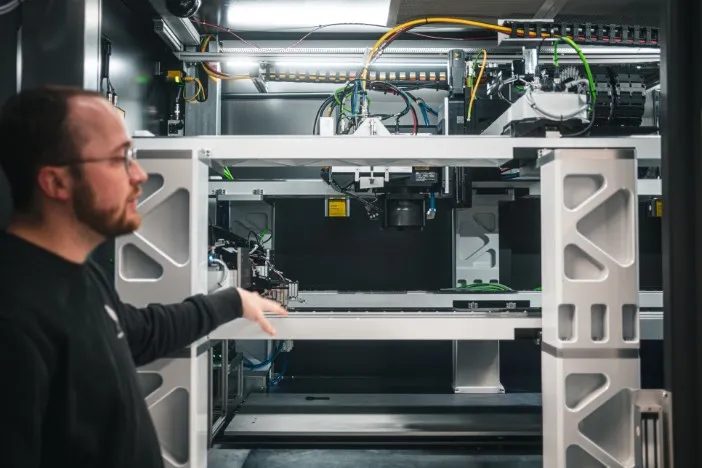
Read MoreVertical Aerospace has brought its battery pilot production line online at the Vertical Energy Centre in southwest England, advancing the company’s path toward certification and commercial production of the Valo electric vertical take-off and landing aircraft. The 15,000ft² (1,394m²) facility...
-
![Profile picture of Saurabh Mall]()
Saurabh Mall posted in the group The Sky Community
Regulatory development will be central to eVTOL deployment.
Key focus areas include:
• Aircraft certification standards
• Pilot licensing and training requirements
• Airspace management policies
• Safety and operational guidelinesClear and adaptive regulations will support safe, scalable, and sustainable urban air mobility ecosystems.
-
eVTOL technology is moving fast — but regulation must move thoughtfully.
Safety certifications, airspace rules, and operational guidelines will evolve step by step.
Strong regulatory frameworks don’t slow innovation — they make it sustainable.
In aviation, progress and safety always go hand in hand.
- Load More Posts