-
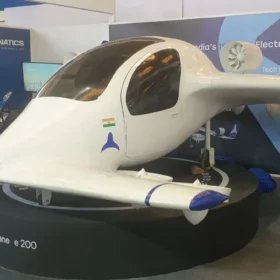
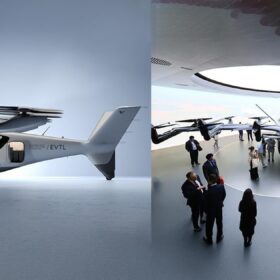
In cities, distance isn’t measured in kilometres — it’s measured in time.
eVTOLs have the potential to shrink cities by making short, congested routes faster and more predictable.
When travel time drops, productivity and quality of life rise.
That’s the real promise of urban air mobility.
-
![Profile picture of Saurabh Mall]()
Saurabh Mall posted in the group The Sky Community
Noise management will be a defining factor for eVTOL integration into cities.
Important considerations:
• Rotor and propulsion design
• Flight path optimization
• Vertiport location and zoning
• Community engagement and transparencyLow-noise operations will help eVTOLs coexist with dense urban environments.
-
eVTOL success isn’t only about speed or technology.
Noise levels will strongly influence public acceptance, city approvals, and vertiport placement.
Quiet flight isn’t a “nice to have” — it’s a requirement for urban air mobility to scale.
-
![Profile picture of Saurabh Mall]()
Saurabh Mall posted in the group The Sky Community
Certification remains one of the most critical factors in eVTOL commercialization.
Key focus areas include:
• Aircraft safety standards and redundancy
• Battery performance and thermal management
• Noise and environmental compliance
• Harmonization across global regulatorsClear certification pathways are essential for scalable and saf…Read More
-
eVTOL prototypes are impressive.
Certification is where the real challenge begins.
Safety validation, redundancy, and regulatory alignment will ultimately define timelines — not marketing announcements.
Certification isn’t a hurdle to rush. It’s the foundation of trust.
- Load More Posts