-
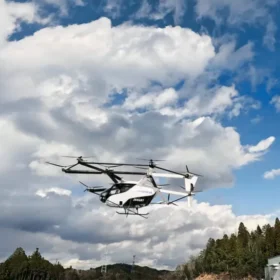
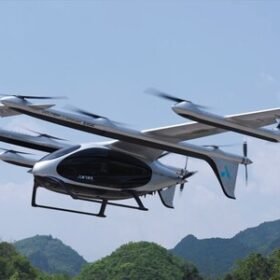
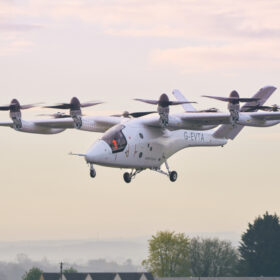
eVTOLs won’t operate in isolation.
Their real value will come from how well they connect with existing transport systems — cars, metros, airports, and rail.
Seamless first-mile and last-mile connectivity will define the user experience.
Integration, not isolation, will drive adoption.
-
![Profile picture of Saurabh Mall]()
Saurabh Mall posted in the group The Sky Community
The growth of eVTOL operations will require a skilled and diverse workforce.
Key roles include:
• Pilots and flight operators
• Maintenance engineers and technicians
• Air traffic and operations managers
• Data and system specialistsDeveloping talent pipelines will be critical for long-term scalability in urban air mobility.
-
Technology can be built.
Infrastructure can be developed.But skilled talent will be essential to make eVTOL ecosystems work.
Pilots, engineers, air traffic specialists, and data experts — all will play a role in shaping this new industry.
The future of mobility will depend on the people behind it.
-
![Profile picture of Saurabh Mall]()
Saurabh Mall posted in the group The Sky Community
Standardization can accelerate the development of eVTOL networks.
Important areas include:
• Charging infrastructure compatibility
• Vertiport design guidelines
• Safety and certification standards
• Operational proceduresA consistent framework can support interoperability and smoother global expansion of urban air mobility.
-
For eVTOLs to scale globally, standardization will be key.
From charging systems and vertiport design to safety protocols and airspace rules — consistency can reduce complexity and speed up adoption.
A unified approach helps ecosystems grow faster and more efficiently.
- Load More Posts