
|
Getting your Trinity Audio player ready...
|
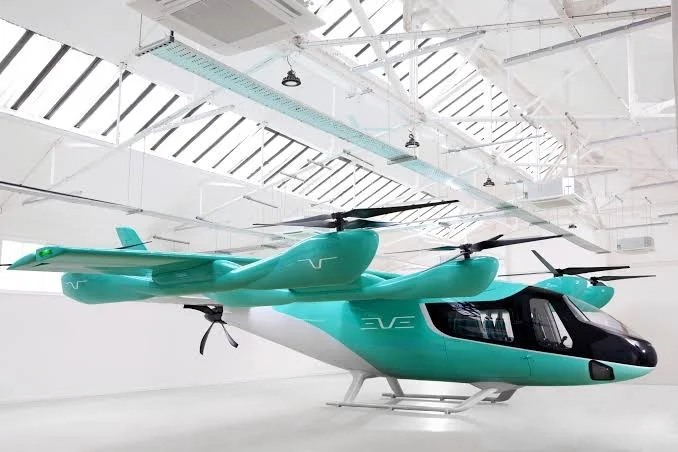
While a growing number of electric vertical take-off and landing (eVTOL) developers are chasing lucrative military defence contracts to secure short-term liquidity, Eve Air Mobility is remaining firmly anchored to its civilian roots. Management confirms that the company’s engineering, production, and regulatory pipelines are optimised exclusively for commercial passenger transit and logistical networks.
Prioritising the Massive Commercial Horizon
Eve’s strategic divergence stems from a long-term calculation regarding certification efficiency and market volume. Rather than spreading engineering assets thin by trying to satisfy both civilian European Union Aviation Safety Agency (EASA) rules and strict military ruggedisation protocols, the company is funnelling its entire attention into a singular, high-yield track:
- Optimised Type Certification: Maintaining a streamlined, uncompromised path through civil aviation regulators to meet aggressive commercial launch timelines.
- Mass Market Economics: Designing an aircraft configuration intended for high-frequency, low-margin urban commuting rather than complex, specialised tactical operations.
- Infrastructure Synergy: Relying on parent company Embraer’s extensive global service footprint to deploy civil maintenance, repair, and overhaul (MRO) networks rapidly.
Backed by a Resilient Order Book
Eve’s ability to resist the industry-wide migration into defence R&D highlights its substantial market leverage. Armed with one of the largest non-binding pipeline backlogs in the entire advanced air mobility sector, the company does not face the immediate capital pressure that forces independent startups to pivot toward military funding.
By maintaining a disciplined, laser-sharp focus on clean-energy civil transportation, Eve aims to establish a dominant market share in major global metropolitan areas the moment urban air mobility corridors formally open for passenger operations.
