
|
Getting your Trinity Audio player ready...
|
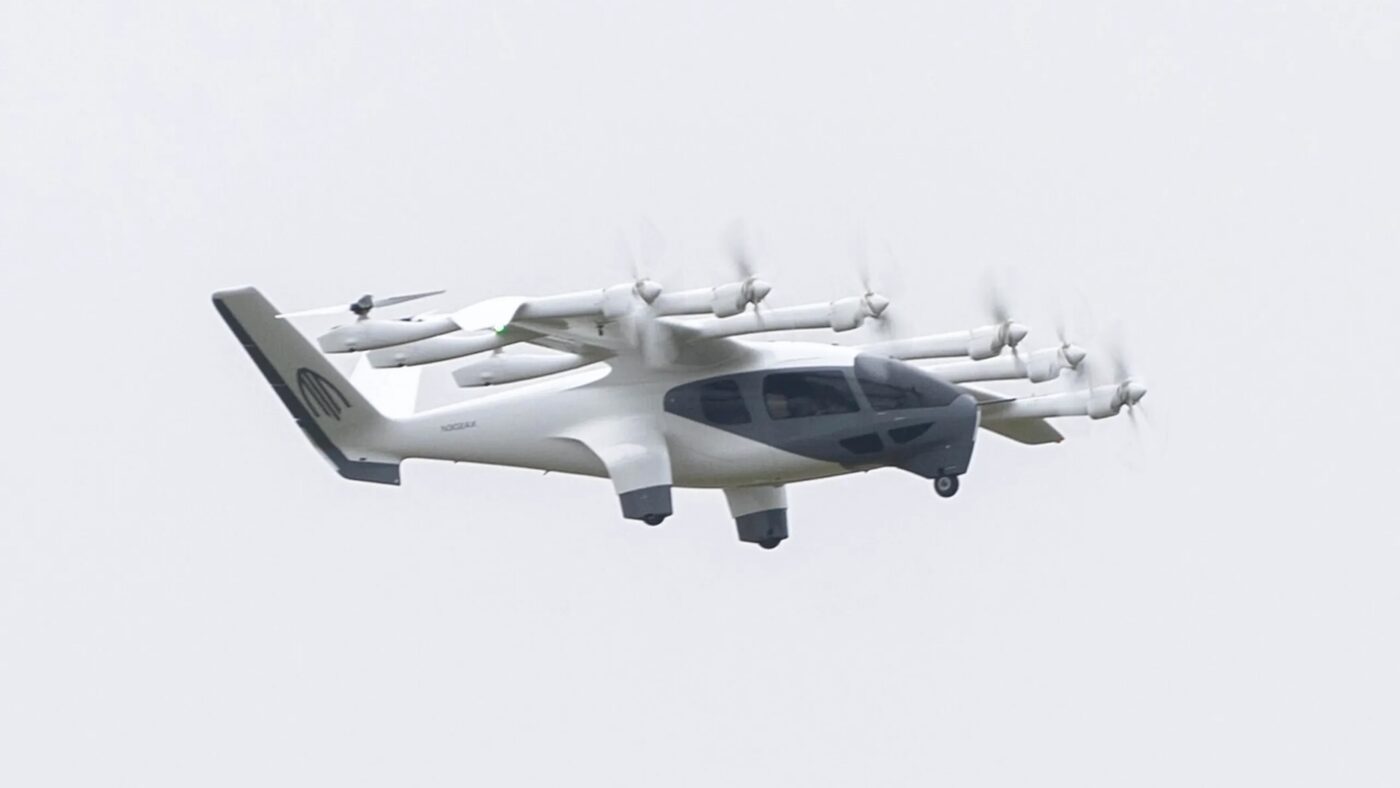
The grind towards operational, commercial flying taxis might finally come to an end this summer.
The Federal Aviation Administration (FAA) and US Transportation Secretary Sean P. Duffy has selected eight projects for the Advanced Air Mobility and Electric Vertical Takeoff and Landing Integration Pilot Program (eIPP).
The new initiative is aimed at accelerating the safe commercial use of next-generation flying taxis.
Kickstarting eVTOL air taxi services
After receiving more than 30 proposals, the program selected eight state-led efforts spanning 26 states. These will test urban air taxis, regional passenger flights, cargo delivery, medical response, and autonomous operations in real-world conditions. Public operations are scheduled to begin by summer 2026.
Together, the eight selections make up the world’s largest coordinated real-world testing environment for eVTOLs.
Projects include passenger services at Manhattan’s heliport by the Port Authority of New York and New Jersey, regional connections across Texas cities by the Texas Department of Transportation, cargo and personnel transport to Gulf energy sites by the state of Louisiana, and statewide cargo, passenger, and medical flights in Florida.
According to an FAA press statement, the American public should start to see operations begin under the program as soon as summer 2026.
The new program, announced last week, is part of President Trump’s ‘Unleashing American Drone Dominance’ executive order. The selections include partnerships with Archer Aviation, Joby Aviation, BETA Technologies, Electra, Wisk, Ampaire, Elroy Air, and Reliable Robotics.
It will enable limited commercial flights without requiring full type certification. This will address ongoing delays where companies like Joby have been stuck at 97 percent compliance for years.
“Congratulations to the great American innovators behind each of these exciting pilot programs,” Secretary Duffy stated in the FAA release. “Working together, we will ensure America leads the way in safely leveraging next-gen aircraft to radically redefine personal travel, regional transportation, cargo logistics, emergency medicine, and so much more.”
Cautious optimism over FAA eVTOL program
According to the FAA, data collected will help shape future regulations for scalable Advanced Air Mobility operations. The program emphasizes safety while generating jobs and strengthening U.S. leadership in aviation innovation.
FAA Deputy Administrator Chris Rocheleau noted that the partnerships will provide operational experience to inform standards for safe integration into the National Airspace System. Industry participants, meanwhile, welcomed the move as a key step towards operational flying taxis.
“Here’s an opportunity for the industry to roll out in a similar way to how Waymo rolled out,” Archer Aviation CEO Adam Archer explained in a video on X. “Rather than an all-or-nothing type certificate where you can go anywhere, or no type certificate where you can’t go anywhere… You can think about it as a few concentrated areas with very, very high margins of safety, allowing us to start very low-level operations, and then expand from there.”
“It’ll allow us to get to market, show the regulators that these aircraft are safe, show the flying public that these aircraft are safe, but also show consumers that this is an amazing product.”
Investor reaction has been understandably muted, given repeated false dawns regarding eVTOL aviation. According to Aviation Week, eVTOL stocks have retreated sharply in 2026, underperforming the broader market amid stretched certification timelines. Billions in valuation have eroded since last summer’s peak, even as the new pilot program offers a faster route to limited operations.
