
|
Getting your Trinity Audio player ready...
|
Futuristic electric-powered aircraft that serve as air taxis and cargo carriers could soon be flying across the skies of Syracuse.
Syracuse Hancock International Airport has been selected as a test site for a federal pilot program that will evaluate how to integrate small, electric aircraft into the national airspace.
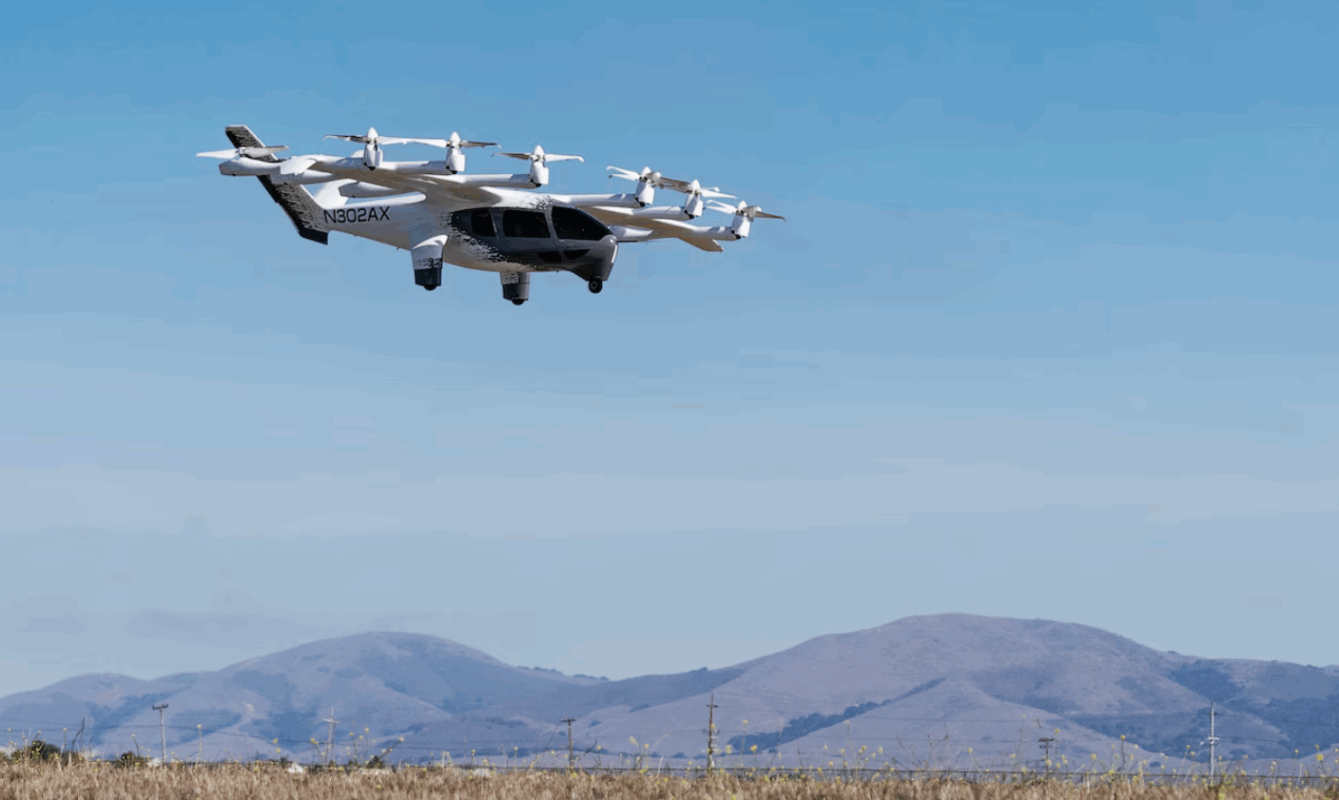
The program, which is expected to run for three years, includes testing electric vertical takeoff and landing (eVTOL) aircraft, which take off, hover and land like helicopters but fly like planes.
Tests could also be conducted to evaluate electric aircraft that take off and land like conventional planes and electric aircraft that need just 150 feet of runway to take off or land.
The long-term goal is to use these battery-operated craft to ferry both cargo and people between smaller communities that have little or no air service to cities like Syracuse that have it.
One day, a small group of passengers might hop an electric aircraft in cities such as Watertown, Ithaca or Utica for quick rides to Syracuse, where they could catch a flight on a conventional plane to a more far-off destination. Similar flights could be utilized to transport cargo.
U.S. Transportation Secretary Sean Duffy and the Federal Aviation Administration announced March 9 that eight out of 30 proposals were selected to participate in the Advanced Air Mobility and Electric Vertical Takeoff and Landing Integration Pilot Program.
Other proposals selected for the program will be centered in Louisiana, Florida, New Mexico, North Carolina, Pennsylvania, Texas and Utah but will involve test flights across multiple other states, too.

Syracuse’s airport is part of a coalition led by the Port Authority of New York and New Jersey that was selected for the program.
Industry partners in the coalition include NUAIR, a drone industry consortium based at the Syracuse airport. It operates a 1,900-square-mile Central New York air corridor for testing unmanned aerial systems and vehicles.
Other partners in the coalition include Archer Aviation, BETA Technologies, Electra and Joby Aviation, which make electric-powered aircraft.
The pilot program does not come with funding, but it could give the selected sites a head start in the air taxi industry.
Jason Terreri, executive director of the Syracuse Regional Airport Authority, said the airport will serve as a connection point for testing how electric aircraft can move cargo and passengers from small airports or even general aviation airports to larger ones with scheduled air service.
Syracuse’s airport has benefited in recent years from a decision by airlines to reduce air service in small, out-of-the-way cities and rural communities and concentrate on serving larger, regional airports.
The changes have reduced operating costs for the airlines but forced travelers from the North Country, the Southern Tier and elsewhere to drive to Syracuse to catch flights to their destinations.
Making those trips to and from Syracuse on small, electric-powered aircraft would take just minutes rather than an hour or more.

All of theaircraft that will be tested are capable of being remotely operated. However, Terreri said they will initially be flown by pilots onboard, as remotely piloted air taxis are likely years away.
Terreri said Syracuse airport was likely chosen for the program because of its experience with monitoring and testing drone aircraft in the air corridor operated by NUAIR.
The airport is the only commercial airport in North America where remotely piloted aircraft operate alongside regular flights with full access to runways, taxiways and ramps.
The New York Air National Guard’s 174 Attack Wing began operating remotely piloted MQ-9 Reaper drones without chase aircraft in 2019. That means that Syracuse’s control tower and airspace managers are already experienced handling remotely piloted aircraft alongside commercial traffic.

In addition, the air corridor run by NUAIR allows drones to fly beyond visual lines of sight on a daily basis. More than 6,000 drone flights have operated within the corridor while being monitored by a network of sensors.
“Our region is already three years ahead of everybody else,” Terreri said.
NUAIR President and CEO Ken Stewart said electric aircraft save on fuel (because they don’t use any) and require less maintenance than conventionally powered planes. Their batteries can be recharged each time they land, he said.
Electric aircraft also have the advantage of being quieter than conventionally powered planes, he said.
Passenger operations using eVTOLs will be tested at a Manhattan heliport as part of the program, according to the Department of Transportation.
Stewart said test flights in Syracuse will likely focus initially on transporting cargo.
“These aircraft have been flying for years, but they still don’t have certification to carry passengers or carry cargo,” he said. “We expect that to happen later this year.”
