-
![Profile picture of Saurabh Mall]()
Saurabh Mall posted in the group The Sky Community
The transition to eVTOL-based mobility will happen in phases.
Key reasons include:
• Phased certification and approvals
• Step-by-step infrastructure deployment
• Controlled operational scaling
• Time required for public familiarityA structured, long-term approach will help ensure safety and reliability as the sector matures.
-
eVTOLs are often described as a sudden revolution.
In reality, this shift will be gradual.
Certification, infrastructure, public acceptance, and operational learning will take time.
Sustainable growth will matter more than speed
-
![Profile picture of Sunny Rathaur]()
Sunny Rathaur wrote a new post
![]() Read More
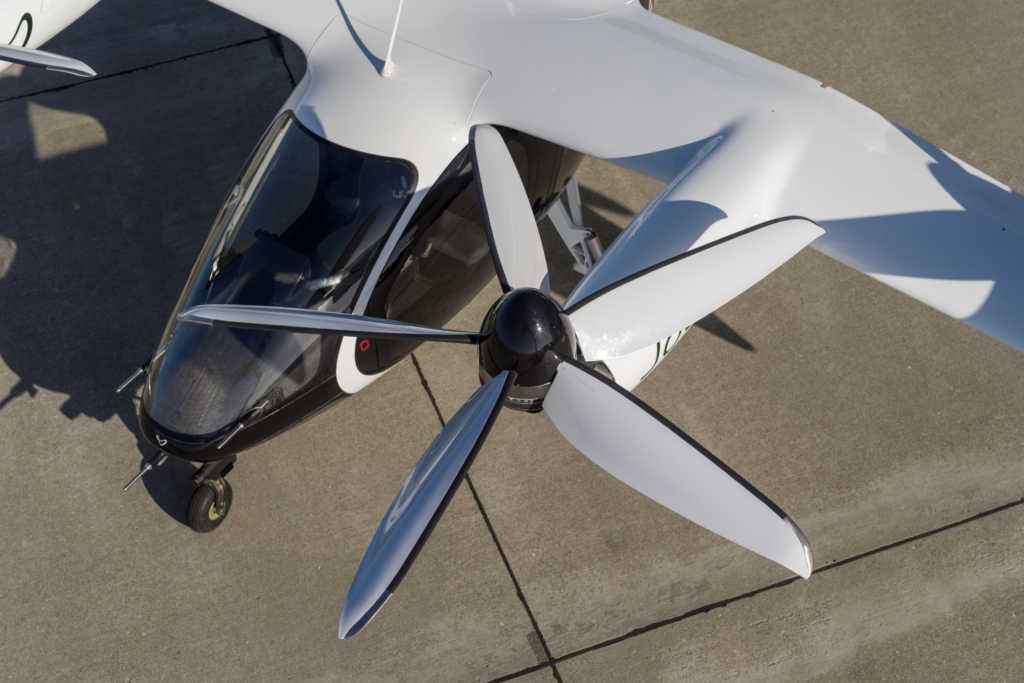
Read MoreJoby Aviation is moving closer to commercial readiness as it prepares to begin large-scale pilot training for its electric vertical take-off and landing (eVTOL) aircraft, a step widely seen as one of the final operational hurdles for the air taxi...
-
![Profile picture of Saurabh Mall]()
Saurabh Mall posted in the group The Sky Community
Scaling eVTOL operations requires strong ground infrastructure.
Core infrastructure elements include:
• Vertiport planning and location strategy
• High-capacity charging systems
• Power grid and energy management
• Seamless integration with urban transport networksInfrastructure readiness will directly impact operational efficie…Read More
-
eVTOL conversations often focus on aircraft performance.
But infrastructure may become the real bottleneck.
Vertiports, charging capacity, grid readiness, and urban integration will determine how quickly operations can scale.
Without the ground ecosystem, air mobility cannot move forward.
- Load More Posts