-
![Profile picture of Saurabh Mall]()
Saurabh Mall posted in the group The Sky Community
Safe eVTOL operations depend on effective airspace integration.
Key elements include:
• Urban air traffic management systems
• Defined corridors and altitude layers
• Real-time monitoring and communication
• Coordination with existing aviation trafficAirspace planning will be a foundational pillar for scalable urban air mobility.
-
eVTOL aircraft are advancing quickly.
Integrating them safely into existing airspace is the bigger challenge.
Coordinating with commercial flights, helicopters, and drones will require advanced traffic management systems and clear regulatory frameworks.
Airspace readiness will define operational scale.
-
![Profile picture of Sunny Rathaur]()
Sunny Rathaur wrote a new post
![]() Read More
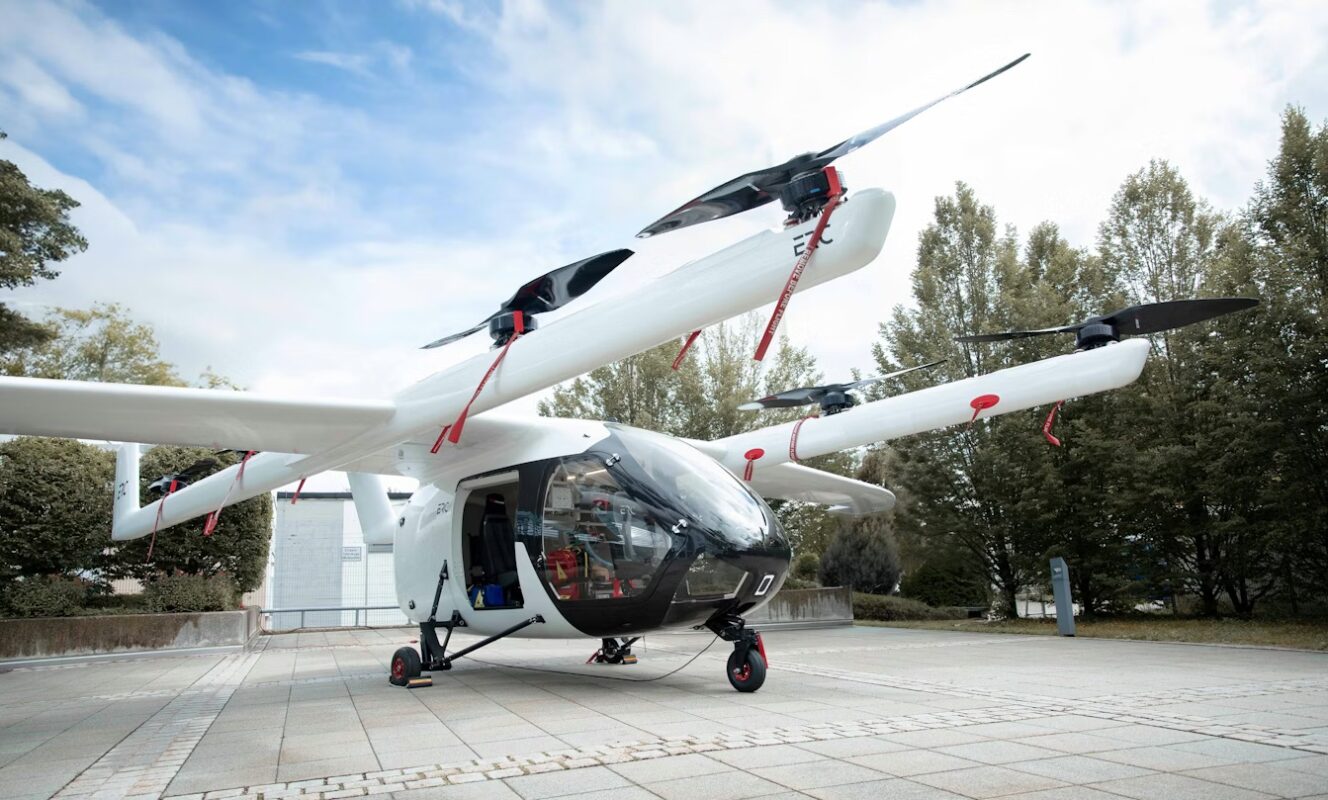
Read MoreAs much of Europe’s early air taxi hype cools, Munich-based ERC Systems is taking a different path. The company has begun flight testing its 2.7-tonne Romeo demonstrator, positioning a hybrid-electric successor for inter-hospital transfers and defence missions rather than...
-
![Profile picture of Saurabh Mall]()
Saurabh Mall posted in the group The Sky Community
Battery systems are central to eVTOL functionality and economics.
Key considerations include:
• Energy density and weight balance
• Charging speed and turnaround time
• Thermal management and safety
• Lifecycle durability and replacement costAdvances in battery technology will significantly influence scalability and operational efficie…Read More
-
At the heart of every eVTOL is its battery system.
Range, payload, turnaround time, and operating cost all depend heavily on battery efficiency and lifecycle performance.
Improvements in energy density and charging speed will directly impact commercial viability.
The future of eVTOL is closely tied to the future of batteries.
- Load More Posts