-
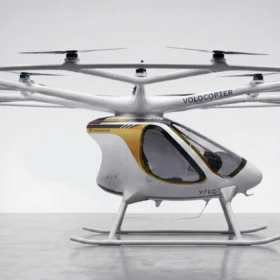
Technology alone won’t drive eVTOL adoption — pricing will play a major role.
Early services may target premium passengers, but long-term growth will depend on affordability and operational efficiency.
The real breakthrough happens when advanced mobility becomes accessible to more people.
-
![Profile picture of Saurabh Mall]()
Saurabh Mall posted in the group The Sky Community
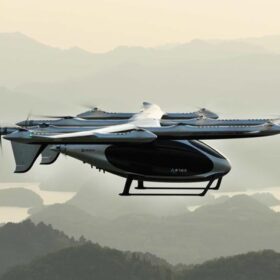
eVTOL aircraft could support efficient mobility between nearby urban and regional centers.
Potential advantages include:
• Faster travel across short regional distances
• Direct point-to-point connectivity
• Reduced pressure on road infrastructure
• Flexible route planningRegional mobility could become an important expansion path fo…Read More
-
While eVTOLs are often discussed in the context of cities, regional connectivity could be an equally strong use case.
Short distances between nearby cities, industrial hubs, and airports could benefit from fast, point-to-point aerial links.
Sometimes the biggest opportunities lie just beyond city limits.
-
![Profile picture of Saurabh Mall]()
Saurabh Mall posted in the group The Sky Community
Environmental sustainability will influence regulatory and public acceptance of eVTOL services.
Important factors include:
• Source of electricity used for charging
• Battery lifecycle and recycling strategy
• Noise pollution impact
• Urban infrastructure footprintA comprehensive environmental assessment will support responsible and sca…Read More
-
eVTOLs are often positioned as cleaner alternatives to traditional helicopters.
But long-term environmental impact will depend on how electricity is generated, battery recycling processes, and lifecycle emissions.
Sustainability must be measured end-to-end — not just at the aircraft level.
True progress comes from holistic environmental planning.
- Load More Posts